
Okay, quick thought: the multi‑chain era feels messy. Really.
My first instinct was to shrug—more chains, more choice, right? Hmm… but something felt off. Transactions that used to be simple now require hopscotch across networks, different token standards, and a handful of gas quirks that make you sigh. Wow.
On one hand, diversity in blockchains is exciting; on the other, managing assets across them can be a usability and security nightmare unless your wallet actually understands what’s happening under the hood. Initially I thought any extension wallet could do the job, but then I tested a few flows and realized how many UX and safety gaps persist. Actually, wait—let me rephrase that: most wallets cover the basics, but few give power users the simulation, multi‑chain clarity, and anti‑phishing hygiene that matter when you’re moving real value.
Here’s the thing. For seasoned DeFi users, a wallet is more than key storage. It’s the transaction manager, the risk scanner, the mental model for “what’s allowed” and “what’s dangerous.” My instinct said: build trust through transparency, not just features. And yes, I’m biased toward wallets that let you peek behind the curtain before you hit confirm. (This part bugs me when wallets hide gas math or contract calls.)
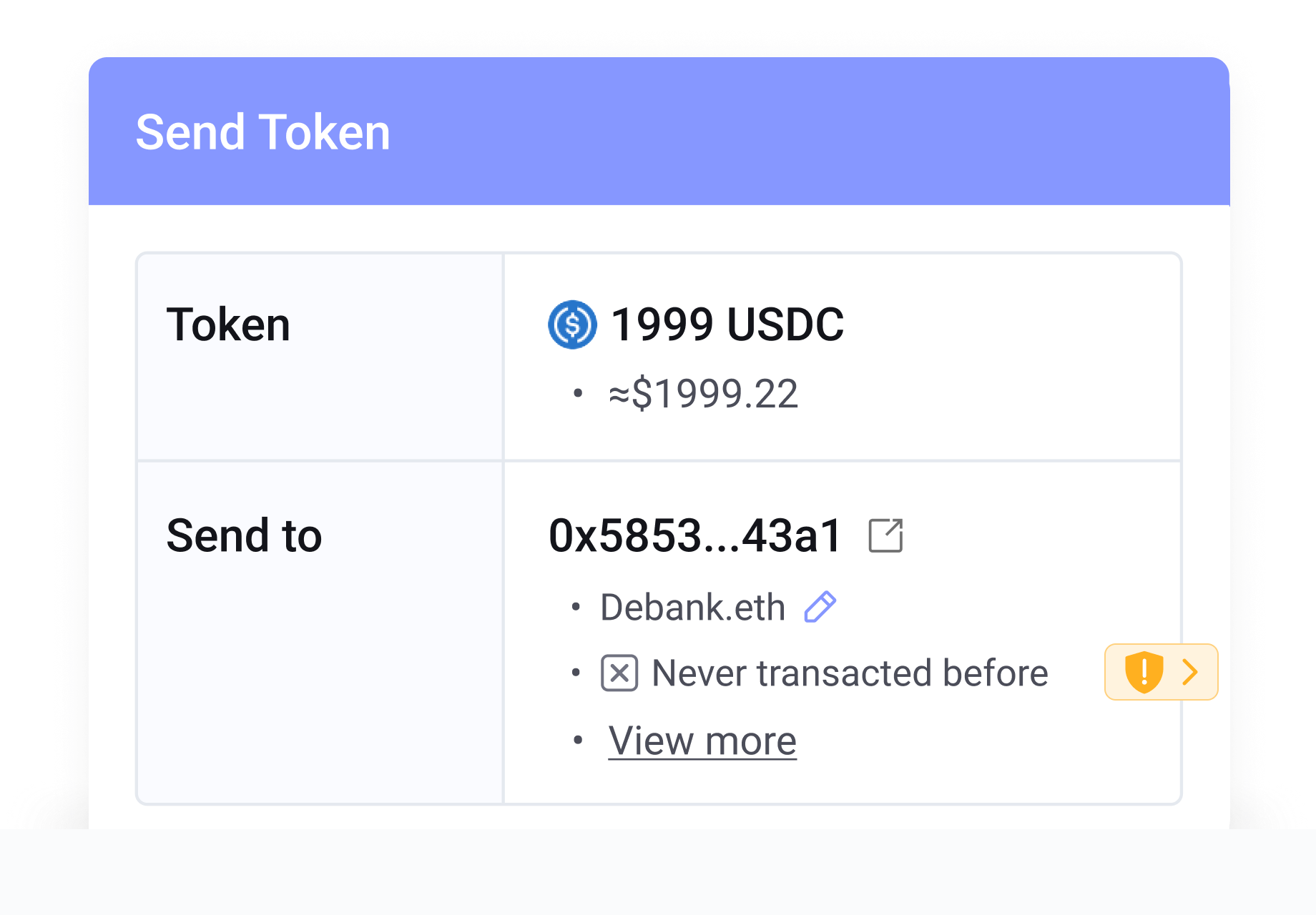
Multi‑chain complexity, simplified
Short version: you need a wallet that thinks like a user and like an auditor at the same time. Seriously?
Here’s why. When you sign a cross‑chain swap or an approval, there are at least three mental steps: what am I approving, how much exposure am I creating, and what could go wrong if this contract is malicious? If the wallet only shows a token list and a numeric gas fee, you haven’t done your due diligence. My gut reaction on first seeing some approvals was “nope”—but then I dug into the transaction simulation and got clarity.
Transaction simulation is a big deal. It tells you what the contract intends to do before you sign, revealing hidden transfers or unexpected allowances. That’s why simulation-first wallets catch my attention. They give an extra layer of pause—almost like an audit whispering, “check this.” On a few chains the gas behavior and internal calls differ, so the simulation needs to be multi‑chain aware, not just Ethereum‑centric.
Example: bridging tokens can involve wrapping, burning, relayer fees, and cross‑contract calls. If a wallet simulates a bridging tx across chain A and B and surfaces the internal transfers, you can spot weird flows early. There are wallets that do parts of this well, but the ones that combine intuitive UX with deep simulation win my trust.
Security: more than seed phrases
I’ll be honest: cold storage is great, but it’s not always practical. I’m not 100% sure most people get that tradeoff. Some of us crave frictionless DeFi, others want the fortress. In real life, you need a spectrum—hot wallets that are smart about risk, and cold options when things get big.
So what does a power user need? Layered protections. Things like domain whitelisting, per‑dapp connection controls, granular approvals with revocation UI, and automatic phishing detection. Also, hardware wallet integration should be seamless: no awkward UX where signing on Ledger becomes guesswork. My instinct said: if the wallet makes hardware signing feel like a second thought, it’s doing something right.
And then there’s permission scope. Approving unlimited allowances is a recipe for regret. A wallet that nudges you toward limited, one‑time approvals—or that warns you about broad allowances—reduces future attack surface. Again: small UX nudges with strong security effects. I’m biased, but that stuff matters more than novelty token animations.
Why power users prefer a wallet like rabby wallet
Okay, so check this out—I’ve been using a few wallet extensions in real flows: swap, route through aggregators, interact with complex contracts, and do periodic cleanups of approvals. Frankly, the tools that helped most were the ones that gave context and control. Enter rabby wallet.
Rabby wallet isn’t just another extension. It focuses on multi‑chain ergonomics and transaction simulation in ways that feel designed for people who trade across networks. You get clearer permission screens, the ability to see internal contract calls before signing, and a revocable approval view that makes cleanup less painful. My instinct said it might be overhyped, though after using it I adjusted—it’s legitimately useful for power workflows.
Something I liked: the wallet surfaces why a transaction needs specific allowances and how funds could move. That reduces the “oh snap” moments when a contract tries to do something unexpected. On the flip side, it’s not a silver bullet; you’re still responsible for the dapps you connect to. But rabby wallet makes responsibility less onerous, which—trust me—is a practical win.
Flows that reduced my mistakes
Short anecdote: once I nearly approved a token contract that redirected fees to a shady address. My first impression was “looks okay” because of token icon and name. Then the simulation flagged internal transfers. Whoa. I canceled. Saved face and funds.
That moment changed my behavior. Now I approach unknown approvals like I would an email attachment: skeptical, with tools to inspect. Wallets that let me see the internals and revoke allowances later make me experiment more without panicking. That freedom to experiment safely is huge for DeFi builders and traders.
On one hand, UI clarity reduces mistakes. Though actually, sometimes clarity breeds complacency—people trust the interface too much. So the best wallets balance helpful defaults with constant prompts to think. They force small frictions where big mistakes would happen. It’s a neat design challenge.
UX patterns that work for multi‑chain pros
Short checklist from experience:
- Clear network context—don’t hide which chain you’re on.
- Readable contract call breakdowns—human phrases, not raw hex.
- Granular approval controls—one‑time, limited amounts, custom allowances.
- Hardware wallet integration that’s unobtrusive but visible.
- Transaction simulation that surfaces internal transfers, slippage, and potential reentrancy‑style flows.
These are the patterns that make me trust a wallet. They sound obvious, but most wallets only partially implement them. Some prioritize aesthetics over substance, which, honestly, makes me roll my eyes. (Oh, and by the way… flashy UIs don’t protect your keys.)
Tradeoffs and limitations
Okay, here’s the nuance. No extension wallet can be perfectly secure. You’re trading convenience for exposure. Hardware wallets mitigate that, but they add friction. Some blockchains have weird call semantics or limited tooling for simulation, so even a great wallet can’t fully simulate every exotic chain behavior. I’m not 100% sure all edge cases are covered by any single product.
Also, simulation can give false confidence. If the underlying node or RPC provider is compromised, you might see misleading previews. So diversity in RPC endpoints and the ability to switch them matters. The best setups combine wallet features with savvy user behavior: smaller approvals, hardware signing for big moves, and periodic cleanup of allowances.
FAQ
Do I need a multi‑chain wallet if I only use Ethereum?
Short answer: maybe not yet. But if you plan to interact with bridges or L2s, a multi‑chain wallet streamlines the flow. It prevents accidental cross‑chain gas mistakes and helps you manage token versions across networks.
How does transaction simulation actually help?
It reveals internal transfers and contract calls that are otherwise invisible, so you can spot sneaky token drains or unexpected behavior before signing. Think of it as a dry‑run for your money—super helpful for approvals and complex router swaps.
Is rabby wallet safe for heavy DeFi use?
Rabby wallet brings features power users value—simulation, clear approvals, and multi‑chain ergonomics. It’s not a magic bullet, but it raises the bar for safety and usability compared with many basic extensions. Pair it with hardware signing for large positions and you’ll be better protected.
Final thought—I’m optimistic but cautious. There’s real innovation in wallets that respect both user experience and on‑chain truth. The space will keep iterating. For now, choose tools that give you visibility and control, not just pretty graphics. My instinct says that will save you headaches down the line… and maybe some crypto, too.